Team
 |
Dr. Fabiana Trindade da Silva Assistant Professor, LSU Robert Reich School of Landscape Architecture |
Current Research Assistants
|
|
||
 |
Amanda Santos – 3rd-Year MLA Candidate Amanda is a Master of Landscape Architecture candidate at LSU with a background in architecture and urban design. As part of the AXISD Research Group, she is exploring the use of electroencephalography (EEG) brain sensors to investigate how people perceive and respond to outdoor environments. Her research focuses on understanding human experiences in landscapes and how neurotechnology can inform more responsive, human-centered design. |
|
|
|
||
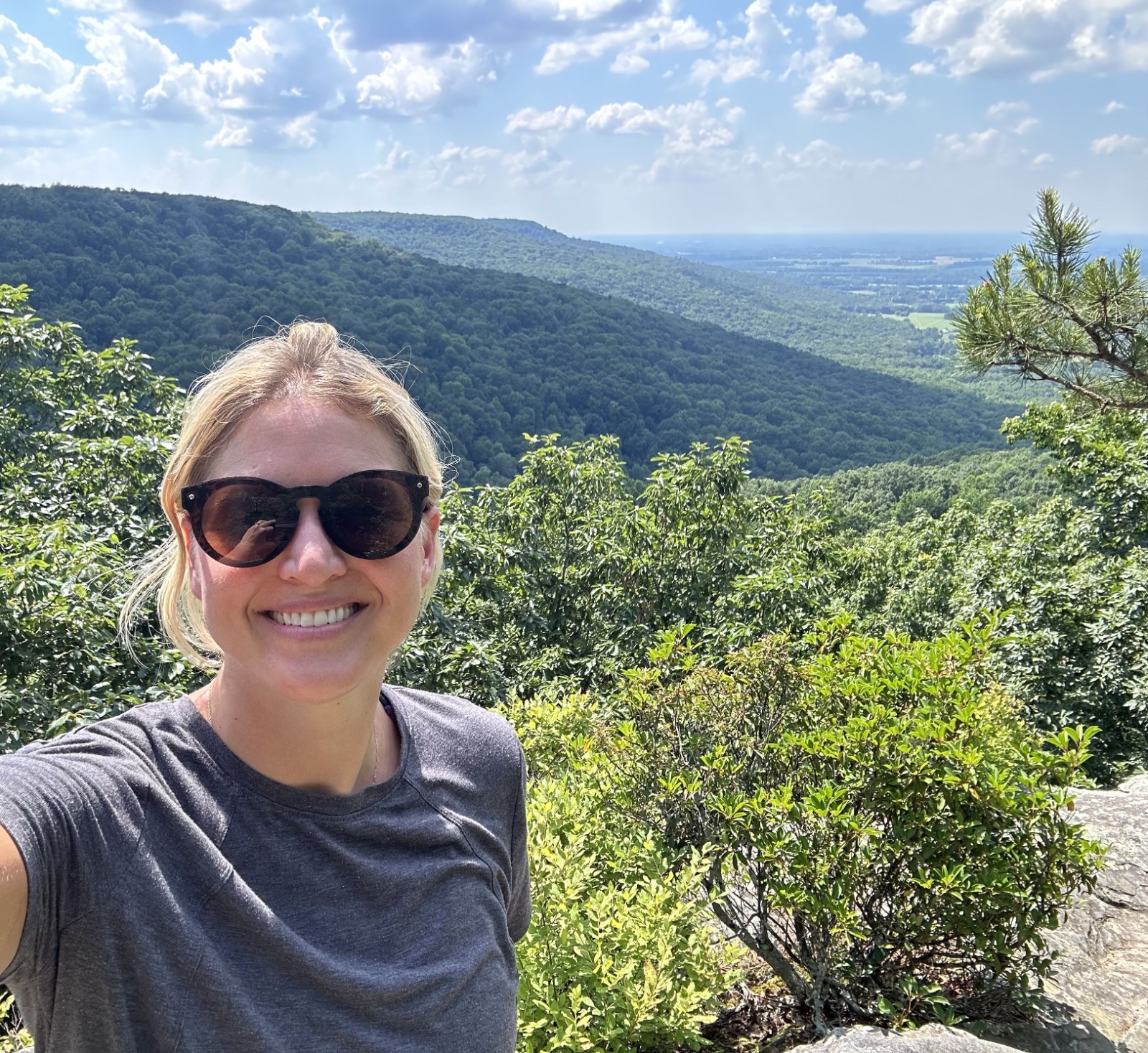 |
Catherine Frampton – 3rd-Year MLA Candidate I am a Master of Landscape Architecture candidate interested in how landscapes can respond to environmental change while also strengthening people’s connection to place. Through the Landscape Architecture Foundation’s Case Study Investigation program, I helped evaluate Gretna City Park through GIS analysis, stormwater and water-quality research, and community survey analysis. This experience reinforced my interest in using design research to understand not only how landscapes look and function, but how they perform for people and communities over time.
|
|
|
|
||
 |
Jacob Midkiff – 4th-Year BLA Student Jacob is working on storm surge modeling using XBeach, focusing on creating a more accessible workflow for designers. He helped to develop a MATLAB toolkit that streamlines simulation setup and integrates with platforms like AutoCAD, Rhino 3D, and ArcGIS Pro. He is also exploring the use of Python to enhance compatibility and usability within design environments. |
|
|
|
||
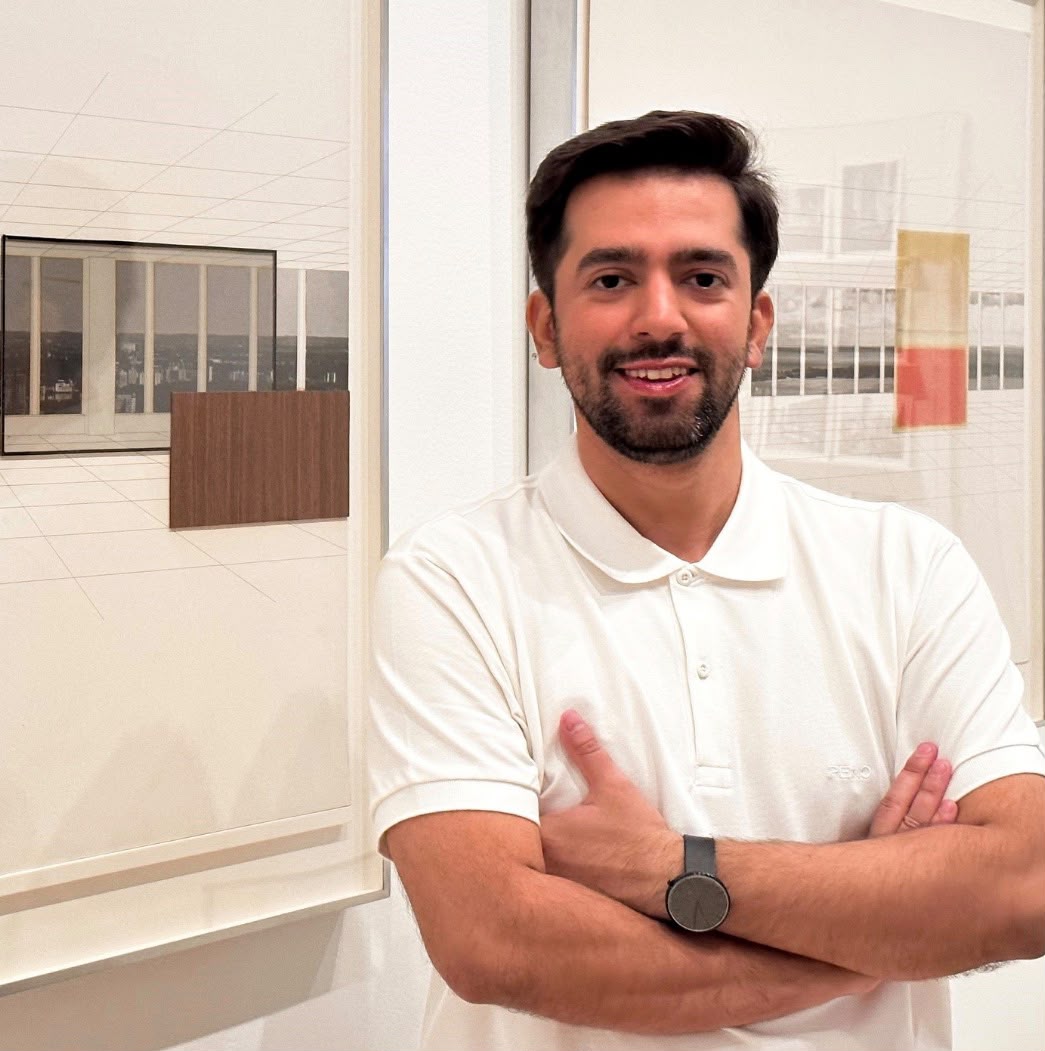 |
Masood Koochaki - MLA and LA Candidate Massod is exploring the use of environmental simulation tools, including ENVI-met, Rhino, and Climate Studio, to analyze microclimatic conditions on the LSU campus. His research focuses on how trees, vegetation, and surface materials influence thermal comfort and urban heat patterns. He is also investigating how environmental data can inform early-stage design decisions to create more sustainable, climate-responsive, and inclusive outdoor spaces. |
|
|
|