Research
Below are three key research directions that guide our lab’s efforts.
 |
 |
 |
||
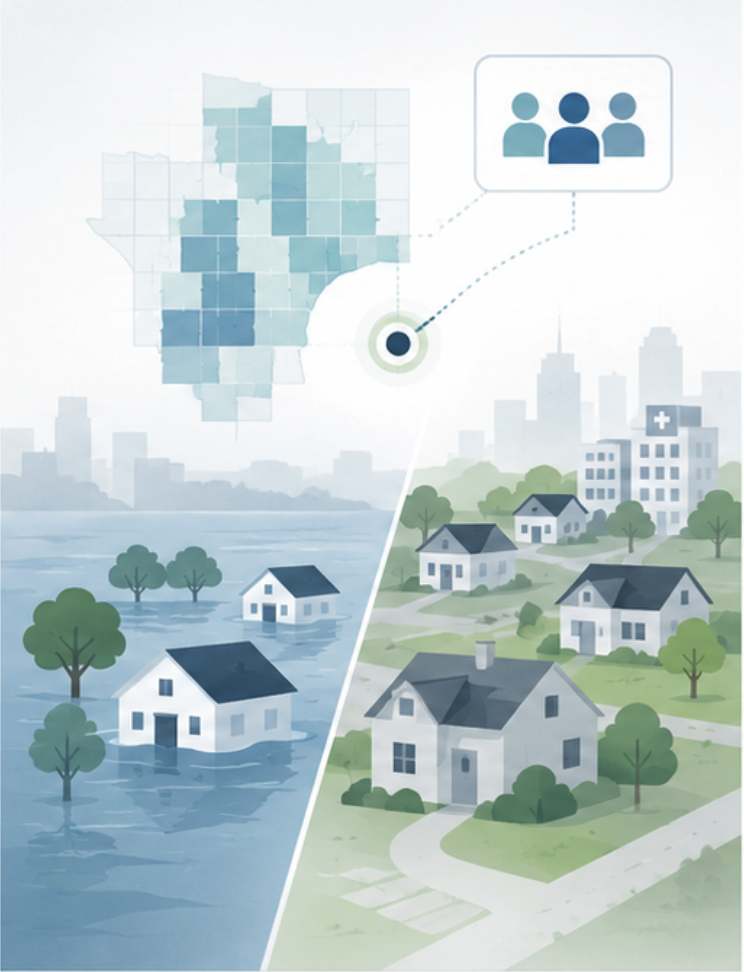
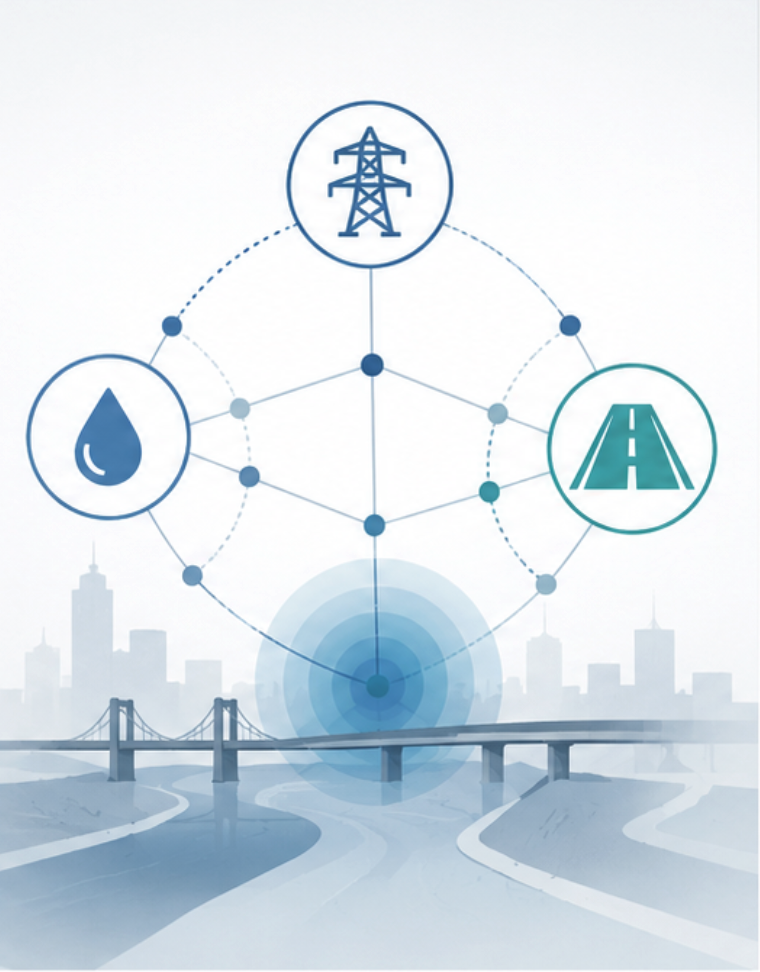
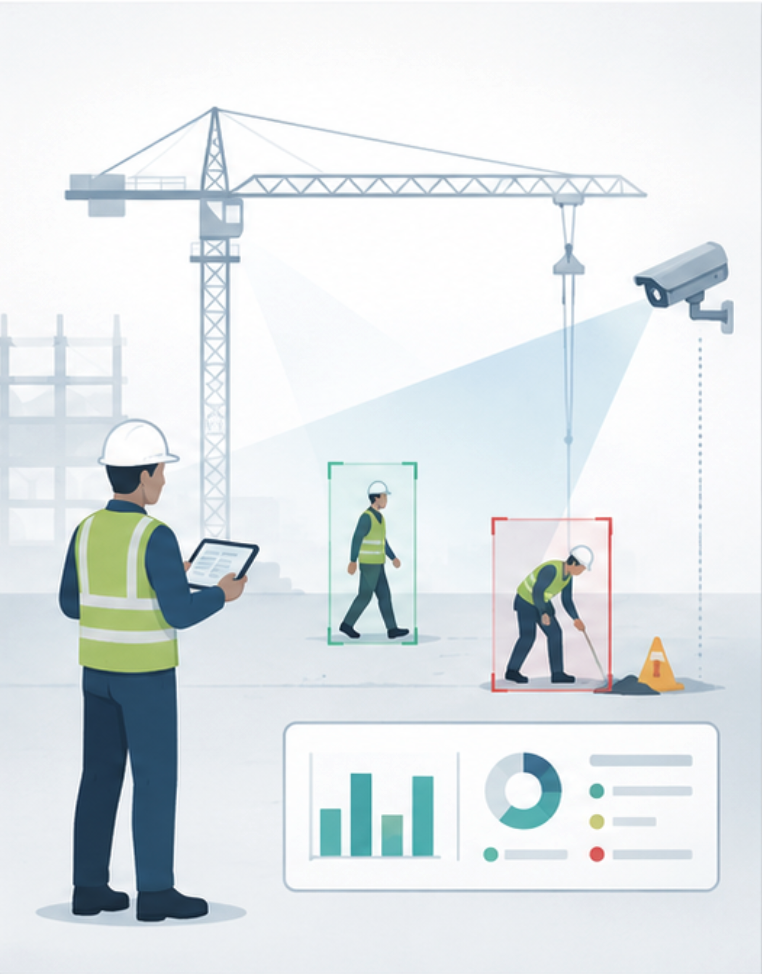
| Community Recovery After Weather-Related Extremes: Develop frameworks that merge social-vulnerability data with post-event damage assessments to tailor recovery strategies for the most at-risk areas. | Resilient Infrastructure Modeling: Model the vulnerability of power, water, and transportation networks to simulate hazard impacts, identify cascading failures, and guide proactive investments in system hardening and flood defenses. | AI-Driven Construction Safety: Leverage real-time video and sensor feeds with deep-learning algorithms to anticipate high-risk work conditions, enabling preemptive safety interventions and optimized resource deployment. |